User verification without an OTP the customer has to type
Verify a user with a silent token over SMS. No OTP to read, no code to enter, no drop-off at the last step.
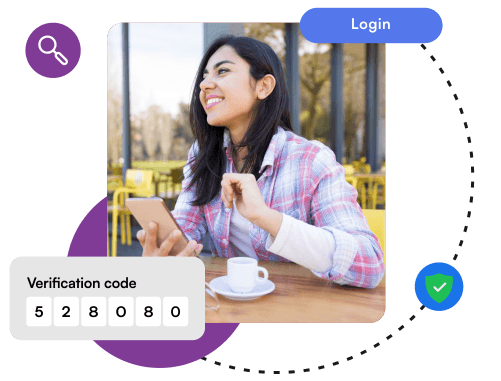
Why OTP-less user verification converts better
Every OTP screen loses people
The message is late, the code is mistyped, the user switches apps to read it and never comes back. That loss sits at the last step of signup, where it costs the most.
A tap replaces the typing
Token-based verification removes the typing. The user taps once, a pre-filled message goes to a long code, and Celitix confirms the session on its own servers before the app has finished loading. See the case for verified business messaging.
How user verification works
Four steps, none of which require the customer to read a number and type it into a different screen.
User starts verification
The user taps verify inside your app or site.
A pre-filled message is ready
A token message is prepared and ready to send.
The message reaches your long code
It is delivered to the long code assigned to you.
Celitix confirms and signs in
Celitix validates the token and logs the user in.
Why use the Celitix app authenticator
Secure, flexible, and measurably easier for the person at the other end of the signup form.
No code entry and no waiting. Users tap once and verify instantly.
Streamlined flows mean fewer abandonments during signup or login.
No OTP logic and no custom fetch needed. Trigger the token through our API.
Unique session-based tokens routed over long codes reduce spoofing and fraud.
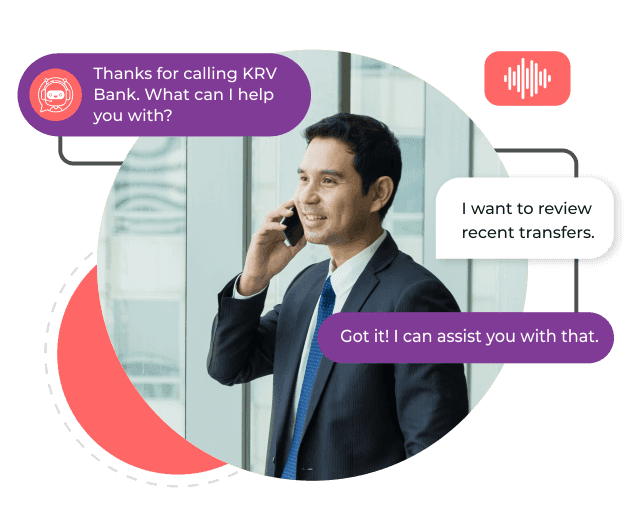
Verification methods on one account
Token verification is the default. When a customer or a market needs something else, the fallback is already on the same account.
Silent token over SMS
The default. A pre-filled message confirms the session with no code shown to the user and nothing to type.
Phone number verification API
Confirm that a number is real, reachable, and belongs to the person signing up, before you write the record.
Two factor authentication service
Add a second factor on high-value actions such as payments, password changes, and new device logins.
OTP fallback across channels
Where token flow is not supported, fall back to an OTP SMS service, an email OTP verification, or WhatsApp Business API automatically.
Where OTP-less authentication pays for itself
Four moments where the friction of a typed code costs real revenue, and where removing it shows up in the funnel.
Signup and onboarding
The largest single drop in most funnels. Removing the code screen recovers users who would have abandoned between the phone field and the first session.
Login and returning users
Repeat logins are where OTP fatigue shows. A one-tap verification keeps the session quick enough that users do not reach for the password reset link.
Payment and checkout confirmation
Verification at checkout has to be fast or the basket is lost. A silent token confirms identity without adding a screen between the customer and the purchase.
High-risk actions
Password changes, new device logins, and withdrawal requests, among the financial services use cases where a two factor authentication service adds a check without punishing every ordinary session.

Connect with us
Learn how to put the Celitix app authenticator to work for you.
Use every channel from one account
Verification runs alongside every other channel on the full CPaaS platform, from the same Celitix account.



Rethink authentication
Reduce friction, increase security, and simplify your stack from one communication platform.
User verification FAQs
A lightweight, OTP-free verification flow that uses SMS and long codes. It confirms identity with a session token instead of a one-time password, so the user never has to read a code or type it into your app.
It removes the wait, the mistyped digit, and the app switch. You also stop building and maintaining OTP logic, retry handling, and expiry rules yourself. The user experience is one tap rather than three screens.
Yes. Where the token flow is not supported on a handset, network, or market, verification falls back to a one-time password over SMS, WhatsApp, voice, or email, on the same account and the same API call.
Yes. Each token is session-bound and time-limited, and verification completes on Celitix servers rather than in the client. Routing over long codes rather than shared sender IDs also makes the flow considerably harder to spoof.
Yes. The Celitix user verification API India teams integrate includes a phone number verification API that confirms a number is live and reachable before you commit it to your database, which cuts fake signups and keeps your later campaign costs down.
Trigger the verification token from your app through the SMS API and handle the redirect once the message is sent. Most teams have it working in a day, and the same credentials cover every other Celitix channel.
Token flow depends on long code availability in the market, so coverage varies. Where it is not available the OTP fallback runs automatically, which means a single integration covers both cases without branching in your code.